Is your Truma water heater not getting hot when you need it most? This can be frustrating, especially when you rely on warm water every day.
You might wonder what’s causing the problem and how to fix it quickly. You’ll discover simple reasons why your Truma water heater isn’t heating up and easy steps you can take to get it working again. Keep reading to save time, avoid costly repairs, and enjoy warm water without hassle.
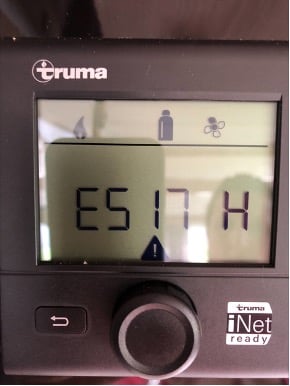
Credit: knowledge.traillite.co.nz
Common Causes Of No Hot Water
When your Truma water heater is not getting hot, several common causes might be behind the problem. Identifying the right cause helps you fix the issue faster. Below are some frequent reasons for no hot water in your Truma heater.
Power Supply Issues
The water heater needs power to work properly. A tripped circuit breaker or blown fuse can stop power flow. Loose or damaged wiring also causes power problems. Check the power source and connections carefully.
Thermostat Problems
The thermostat controls the water temperature. If it malfunctions, the heater may not heat water. Sometimes, the thermostat settings are wrong or the sensor is broken. Testing the thermostat can reveal if it needs replacement.
Faulty Heating Element
The heating element warms the water inside the tank. Over time, it can wear out or break. A faulty element stops the water from heating. Using a multimeter helps check if the element works well.
Water Flow Restrictions
Water needs to flow freely through the heater. Blocked pipes or clogged filters reduce water flow. Low water flow can prevent the heater from heating properly. Cleaning the filters and pipes improves flow and heating.
Checking The Power Source
Checking the power source is the first step to fix a Truma water heater that is not heating. Without power, the heater cannot warm the water. This section covers simple ways to check the power supply and connections. These checks help find basic issues fast.
Inspecting Circuit Breakers
Start by looking at the circuit breakers in your electrical panel. A tripped breaker stops power to the water heater. Find the breaker labeled for the heater or the water system.
Switch it off, then back on to reset it. A breaker that trips again signals an electrical problem. This issue might need a professional. Checking breakers avoids wasting time on other fixes.
Verifying Power Connections
Check the wires connected to the water heater. Loose or damaged wires stop electricity flow. Turn off the power before touching any wires to stay safe.
Look for broken, corroded, or disconnected wires. Tighten any loose connections carefully. Clean any rust or dirt on terminals. Good connections ensure steady power to the heater.
Resetting The Water Heater
Resetting the Truma water heater is a common step to fix heating problems. It helps clear minor faults that stop the heater from working. This quick action can save time and avoid costly repairs.
Follow the right steps to reset safely. This keeps the heater and yourself safe. The reset process is simple and does not need special tools.
Locating The Reset Button
Find the reset button on the water heater’s control panel. It is usually red or black and small in size. Check near the thermostat or heating element area. The user manual shows the exact location.
Sometimes the button is behind a small cover or panel. Use a flashlight to see clearly. Press gently to avoid damage.
Safe Reset Procedures
Turn off the water heater power before pressing the reset button. This prevents electric shock. Wait a few minutes after switching off the power.
Press and hold the reset button for 5 seconds. Release it slowly. Turn the power back on. The heater should start heating water again.
If the heater does not heat after reset, try again later or call a technician. Never force the button or use sharp objects.
Testing And Replacing The Thermostat
Testing and replacing the thermostat is a key step if your Truma water heater is not getting hot. The thermostat controls the water temperature. If it fails, the water may stay cold or only warm slightly.
Before buying a new thermostat, testing the existing one helps confirm the problem. Replacing the thermostat is a simple task with the right tools and instructions. This saves time and money on repairs.
Signs Of A Bad Thermostat
The water stays cold even after running the heater. The temperature changes suddenly without warning. The heater turns off too soon or runs continuously. The water is too hot or too cold despite settings. These signs often point to a faulty thermostat.
Step-by-step Replacement Guide
Turn off the power to the water heater. Remove the access panel to reach the thermostat. Use a multimeter to test the thermostat’s continuity. If no continuity, the thermostat is bad. Unscrew the old thermostat carefully.
Install the new thermostat in the same position. Connect wires exactly as before. Replace the access panel and restore power. Turn on the heater to check if water heats correctly. A working thermostat fixes the heating issue.
Cleaning And Flushing The System
Cleaning and flushing the Truma water heater system is key to fixing heating problems. Over time, dirt and minerals build up inside. This reduces the heater’s ability to warm water properly. Regular cleaning keeps the system working smoothly and extends its life.
Flushing the system removes debris and restores good water flow. It also helps prevent damage to the heater parts. This process is simple and can save you from costly repairs later.
Removing Sediment Build-up
Sediment collects at the bottom of the water heater tank. This layer stops the heating element from working well. To remove sediment, first turn off the heater and let it cool.
Next, open the drain valve to empty the tank. Use a hose to flush out the sediment fully. Repeat flushing until the water runs clear. This clears blockages and improves heater performance.
Maintaining Optimal Water Flow
Good water flow is vital for heating efficiency. Check all pipes and valves for clogs or damage. Clean or replace filters to keep water moving freely.
Flush the system regularly to prevent buildup inside pipes. Clear flow helps the heater warm water faster and saves energy. Routine maintenance ensures the system runs without problems.

Credit: www.youtube.com
Inspecting The Heating Element
Inspecting the heating element is a key step to fix a Truma water heater that is not getting hot. The heating element heats the water inside the tank. If it breaks or stops working, the water will stay cold. Checking this part can save time and money on repairs.
Identifying Element Malfunctions
Look for signs of damage on the heating element. It may have visible cracks or burn marks. A multimeter can test the element’s electrical resistance. A reading of zero or infinite means it is broken. Also, check for loose connections or corrosion. These can stop the element from working properly.
Replacement Tips
Turn off power and water supply before removing the element. Use the right size and type of replacement part. Clean the area around the element before installing the new one. Tighten the element securely to avoid leaks. Restore power and test the heater to confirm it works well.
When To Call A Professional
Knowing when to call a professional for your Truma water heater saves time and stress. Some problems need expert skills and tools. Ignoring these issues can cause damage or danger. Recognizing the signs helps you act fast and keep safe.
Safety Concerns
Water heaters involve electricity and gas. These can be risky if handled wrong. Leaks or faulty wires may cause fire or electric shock. A professional knows how to work safely. Avoid touching parts you don’t understand. Protect yourself and your home by calling an expert.
Complex Repairs Beyond Diy
Some fixes need special tools and knowledge. Problems with the thermostat, gas valve, or burner are tricky. Incorrect repairs may cause the heater to break more. A professional can find the root cause fast. They ensure the heater works well again. Save time and avoid frustration by getting help.
Preventive Maintenance Tips
Preventive maintenance keeps your Truma water heater working well. It helps avoid problems like not heating water. Simple care extends the heater’s life and saves money on repairs.
Regular Inspections
Check the water heater often for signs of wear or damage. Look for leaks, rust, or loose parts. Test the heater to see if it heats water quickly. Clean dust or dirt from vents and controls. Early checks catch small problems before they grow.
Seasonal Preparation
Prepare your water heater for each season to keep it safe. In cold months, drain the heater to stop freezing damage. Use antifreeze if you store your system in cold places. In warm months, flush the heater to remove scale and dirt. Adjust settings for different weather to save energy.
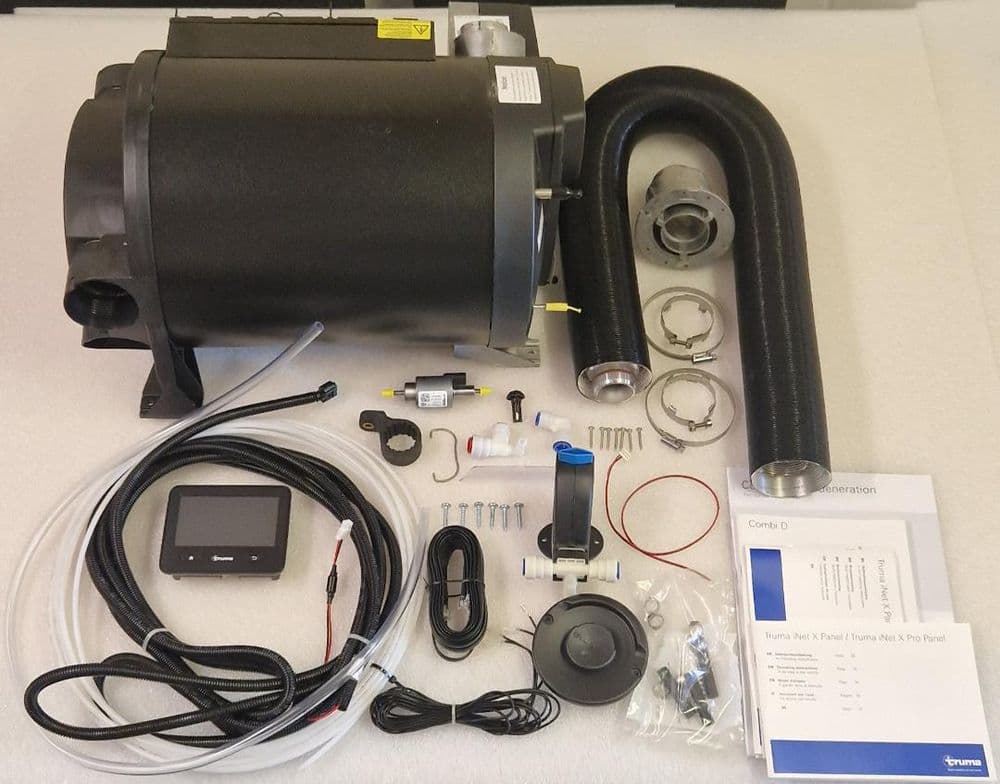
Credit: vixencomposites.com
Frequently Asked Questions
Why Is My Truma Water Heater Not Heating Water?
The water heater may lack power, have a faulty thermostat, or suffer from a broken heating element.
How Can I Check The Power Supply To Truma Heater?
Ensure the heater is plugged in and the circuit breaker or fuse is not tripped.
What Causes A Truma Heater To Heat Water Slowly?
Clogged pipes, low water pressure, or a worn-out heating element can slow heating.
Can A Faulty Thermostat Stop Truma Water Heater From Working?
Yes, a broken thermostat can prevent the heater from reaching the right temperature.
How Do I Reset My Truma Water Heater?
Turn off the heater, wait a few minutes, then turn it back on to reset.
Why Does My Truma Heater Make Noise But No Hot Water?
Noise may come from air in pipes or sediment buildup blocking water flow.
How Often Should I Service My Truma Water Heater?
It is best to service it once a year to keep it working well.
Can Cold Weather Affect Truma Water Heater Performance?
Yes, very cold temperatures can reduce heating efficiency or cause freezing in pipes.
Is Sediment Buildup A Reason For Truma Heater Not Heating?
Sediment blocks heat transfer, causing poor heating and possible damage to the unit.
When Should I Call A Professional For Truma Water Heater Issues?
Call a technician if basic checks don’t fix the problem or if electrical parts fail.
Conclusion
A Truma water heater not getting hot can cause real trouble. Check basic parts first, like power supply and water flow. Small fixes often solve the problem quickly. Regular care helps keep your heater working well. Don’t ignore warning signs or unusual noises.
When problems persist, seek help from a professional. Staying proactive saves time and money in the long run. Your comfort depends on reliable hot water every day. Keep these tips in mind to enjoy warm showers again soon.