
Is your Honeywell water heater acting up when you need it most? You’re not alone, and you don’t have to let a faulty heater disrupt your day.
Understanding common problems and how to fix them can save you time, stress, and money. This guide will help you quickly identify issues with your Honeywell water heater and walk you through easy troubleshooting steps. Keep reading—by the end, you’ll feel confident tackling those annoying heater problems on your own.
Common Honeywell Water Heater Issues
Honeywell water heaters are reliable, but they can face common issues. These problems affect daily use and comfort. Knowing these issues helps with quick fixes and proper care.
Many Honeywell water heater problems show clear signs. Identifying these signs saves time and prevents bigger damage. Below are frequent issues users report.
No Hot Water
No hot water is a common complaint. This may result from a faulty thermostat or heating element. Sometimes, the power supply or pilot light stops working. Checking these parts usually solves the problem.
Water Too Hot
Water that is too hot can cause burns. A malfunctioning thermostat often causes this. The temperature setting might be too high. Adjust the thermostat or replace it if needed.
Strange Noises
Unusual sounds like popping or banging can occur. These noises come from sediment build-up in the tank. Flushing the tank can remove sediment and stop the noise. Regular maintenance prevents this problem.
Leaks And Drips
Leaks or drips waste water and increase bills. They often come from loose connections or damaged pipes. Check all fittings and tighten them. Replace any worn-out parts to stop leaks.
Pilot Light Problems
The pilot light may go out or fail to ignite. Dirt or debris can block the burner. Cleaning the burner area can fix this. If the pilot light does not stay lit, the thermocouple may need replacement.
Quick Fixes For No Hot Water
No hot water from your Honeywell water heater can be frustrating. Some quick fixes can help you solve this issue fast. These simple steps save time and avoid costly repairs.
Start by checking basic problems. Many times, the solution lies in easy-to-fix areas. Follow these tips to get warm water flowing again.
Check Power Supply
First, ensure your water heater is getting power. Look at the circuit breaker or fuse box. Sometimes, a tripped breaker or blown fuse stops electricity. Reset the breaker or replace the fuse if needed. Confirm the power switch on the heater is turned on. Without power, the heater cannot work.
Inspect Thermostat Settings
Next, check the thermostat on your water heater. The thermostat controls water temperature. Make sure it is set to the right level. Too low settings cause cold water. Adjust the dial to a warmer setting, around 120 degrees Fahrenheit is good. Be careful not to set it too high to avoid burns.
Reset The Water Heater
Try resetting your Honeywell water heater. Find the reset button, often red and located near the thermostat. Press and hold it for a few seconds. This can clear minor faults and restore operation. If the heater does not reset, there might be a bigger issue requiring professional help.
Adjusting Water Temperature
Adjusting the water temperature on your Honeywell water heater is important for comfort and safety. Setting the right temperature helps avoid scalding or cold water surprises. It also saves energy and extends the heater’s life.
Set Thermostat Correctly
Locate the thermostat dial on your Honeywell water heater. It is usually behind a panel that you can remove easily. Turn the dial to the desired temperature setting. The ideal range is between 120°F and 140°F. Setting below 120°F may cause bacteria growth. Above 140°F risks burns. Adjust slowly and check the setting.
Test Water Temperature Safely
Run hot water from the nearest tap for several minutes. Use a thermometer to check the water temperature. Hold the thermometer under the running water carefully. Wait until the reading stabilizes. Avoid direct skin contact to prevent burns. Repeat the test after adjusting the thermostat. This ensures the water temperature matches your needs.

Credit: produtoresflorestais.pt
Handling Strange Noises
Strange noises from your Honeywell water heater can be worrying. These sounds often signal an issue inside the tank. Addressing the noise quickly helps avoid bigger problems. Start by understanding the common causes of these sounds.
Identify Sediment Buildup
One main cause of noise is sediment buildup. Minerals from water settle at the tank’s bottom. This buildup causes popping or rumbling sounds. Sediment traps heat and creates hot spots. These hot spots make the tank work harder. This reduces the heater’s efficiency and lifespan. Check the tank for visible sediment if noises persist.
Flush The Tank
Flushing the tank removes sediment and clears noise sources. Turn off the power and water supply first. Attach a hose to the drain valve. Open the valve to drain water into a bucket. Let the tank empty fully to remove sediment. Close the valve and refill the tank. This simple step often stops strange noises. Regular flushing keeps the heater running smoothly.
Fixing Leaks And Drips
Fixing leaks and drips in your Honeywell water heater is important. Small leaks can waste water and cause damage. Acting quickly helps save money and keeps your home safe.
Locate Leak Source
Find where the water is coming from. Check around pipes, valves, and the tank. Look for wet spots or rust. A flashlight can help spot tiny leaks.
Tighten Connections
Loose connections often cause drips. Use a wrench to tighten nuts and bolts. Do not overtighten; this can cause damage. Check the connections again after tightening.
Replace Faulty Parts
Worn-out parts lead to leaks. Inspect valves, washers, and seals for damage. Replace any broken or old parts with new ones. Use parts made for Honeywell water heaters.
Resolving Pilot Light Issues
Pilot light problems are common in Honeywell water heaters. The pilot light must stay lit to heat water properly. If it goes out, the water heater stops working. Fixing pilot light issues can be simple with the right steps.
Check the pilot light carefully. Small problems can cause it to go out. Dirt, gas supply, or a faulty ignition can stop the flame. This section explains how to solve these issues safely.
Relight The Pilot
First, turn off the gas control knob. Wait five minutes for gas to clear. Find the pilot light access panel. Use a long lighter or match to light the pilot. Hold the gas knob down while lighting. Release the knob slowly. The pilot should stay lit. If not, try again or check other issues.
Clean Pilot Assembly
Dirt or debris can block the pilot flame. Turn off the water heater and gas supply. Remove the pilot assembly carefully. Use a soft brush or compressed air to clean it. Clear any dust from the burner tube. Reinstall the assembly and relight the pilot. A clean pilot burns stronger and lasts longer.
Check Gas Supply
Gas flow is essential for the pilot light. Check the gas valve to ensure it is open. Look for any gas leaks or damage to the gas line. If the gas supply is low or off, the pilot won’t light. Contact a professional if you smell gas or suspect a leak. Proper gas flow keeps the pilot flame steady and reliable.
When To Call A Professional
Knowing when to call a professional for Honeywell water heater troubleshooting is key. Some problems need expert care to avoid damage or danger. Handling repairs without skills can cause more issues.
Recognizing signs that require a technician saves time and money. A professional can fix complex problems safely and correctly. This section explains the main reasons to seek expert help.
Safety Concerns
Water heaters use electricity or gas. Mistakes can cause fires, shocks, or gas leaks. Any smell of gas means stop using the heater immediately. Do not try to fix gas leaks yourself. If you see rust or water pooling, call a professional. They know how to handle these risks safely.
Complex Repairs
Some repairs need special tools and knowledge. Problems with the thermostat, heating element, or pilot light are tricky. Incorrect fixes can damage the heater or void the warranty. A technician has training to diagnose and repair these parts properly. Avoid risking more damage by calling an expert.
Regular Maintenance Tips
Regular checks keep your water heater working well. Flush the tank yearly to remove sediment. Inspect the anode rod every two years. Test the pressure relief valve regularly. Clean the air intake and exhaust vents. Professionals can perform these tasks during annual service visits. Routine care helps prevent breakdowns and extends heater life.

Credit: www.partshnc.com
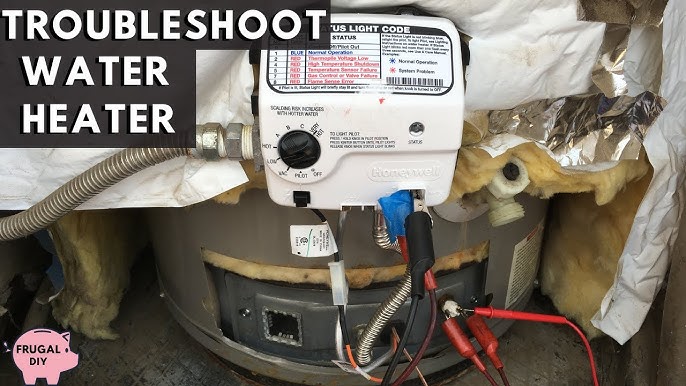
Credit: www.youtube.com
Frequently Asked Questions
How Do I Reset My Honeywell Water Heater?
Locate the reset button, usually red, and press it firmly for a few seconds.
Why Is My Honeywell Water Heater Not Heating Water?
Check the power supply and thermostat settings; a tripped breaker may cause no heating.
What Causes A Honeywell Water Heater Pilot Light To Go Out?
Drafts, dirt, or a faulty thermocouple can extinguish the pilot light.
How Can I Fix A Leaking Honeywell Water Heater?
Inspect valves and pipes for damage or loose connections and tighten or replace as needed.
Why Is My Honeywell Water Heater Making Noise?
Sediment buildup or water pressure issues can cause rumbling or banging sounds.
How Often Should I Flush My Honeywell Water Heater?
Flush the tank at least once a year to remove sediment and improve efficiency.
What Temperature Should I Set My Honeywell Water Heater?
Set the thermostat to 120°F (49°C) for safety and energy savings.
How Do I Test The Thermostat On My Honeywell Water Heater?
Use a multimeter to check for continuity when the thermostat is set to heating.
Can A Faulty Thermocouple Cause Honeywell Water Heater Issues?
Yes, a bad thermocouple can prevent the pilot light from staying lit.
When Should I Call A Professional For Honeywell Water Heater Problems?
Call a pro if you smell gas, see leaks, or cannot fix basic issues safely.
Conclusion
Honeywell water heaters can face common issues. Checking power supply and settings often helps. Cleaning or replacing filters keeps water flow smooth. Regular maintenance prevents many problems. Small fixes save time and money. Trust your senses—listen and watch for odd signs.
Seek professional help if problems persist. Staying aware ensures warm water every day. Simple steps keep your heater running well. Troubleshooting is easier with clear guidance. Keep this advice handy for future reference.