
Is your Richmond electric water heater acting up when you need it most? You rely on it daily for hot showers, clean dishes, and comfort.
When it stops working right, frustration sets in fast. But before you call a repair service or consider a replacement, there’s good news—you can often fix common problems yourself. This guide will walk you through easy, step-by-step troubleshooting tips tailored for your Richmond electric water heater.
Keep reading to save time, avoid costly repairs, and get your hot water flowing again quickly.
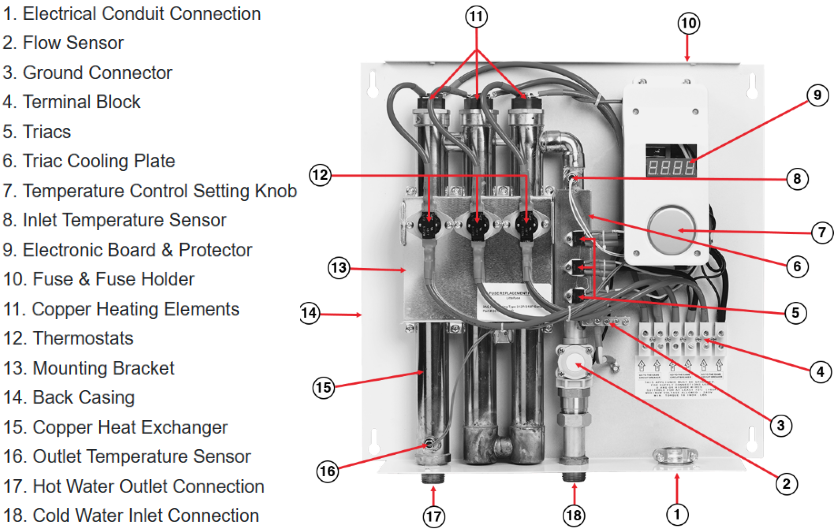
Credit: www.neslihandolar.com
Common Issues
Richmond electric water heaters are reliable but may face issues over time. Knowing common problems helps you fix them quickly. This saves time and avoids costly repairs. Below are frequent issues with electric water heaters and how to spot them early.
No Hot Water
No hot water is a common complaint. It can happen if the heating element fails. Sometimes, the circuit breaker trips, cutting power to the heater. A faulty thermostat can also stop the heater from warming water. Testing these parts helps find the cause fast.
Water Too Hot
Water that is too hot can be dangerous. This usually means the thermostat is set too high or is broken. A stuck heating element may also cause overheating. Adjusting or replacing the thermostat often solves this problem. Always check the temperature setting first.
Strange Noises
Unusual sounds from the water heater signal trouble. Rumbling or popping noises happen when sediment builds inside the tank. This layer traps heat and causes the sounds. Flushing the tank removes sediment and stops the noise. Early cleaning extends heater life.
Leaks And Drips
Leaks can cause water damage and reduce heater efficiency. They often come from loose connections or a damaged tank. Check the pipes, valves, and drain for drips. Tightening fittings or replacing parts usually fixes leaks. Act quickly to prevent bigger problems.

Credit: www.youtube.com
Safety Checks
Safety checks are the first step in troubleshooting your Richmond electric water heater. They ensure the device runs without risks to you or your home. Simple checks can prevent accidents and save repair costs. Follow each step carefully to keep your water heater safe.
Power Supply Inspection
Check if the water heater is properly plugged in. Look for any loose or damaged wires. The power outlet should work well. Use a different device to test the outlet if unsure. No power means the water heater will not heat water.
Thermostat Settings
Inspect the thermostat dial on your water heater. Make sure it is set to the right temperature. Too low means cold water, too high wastes energy. Adjust the dial gently to avoid damage. The ideal setting is usually around 120°F (49°C).
Circuit Breaker Reset
Locate the circuit breaker panel in your home. Find the breaker for your water heater. If it is off or tripped, switch it off and then on again. This may restore power to the heater. Frequent tripping needs professional help to avoid danger.
Diy Fixes
DIY fixes for Richmond electric water heaters save time and money. Many common problems you can solve yourself. Basic tools and a little patience are enough. These simple steps help keep your heater working well.
Resetting The Heater
Resetting the heater often solves power or heating issues. First, turn off the power at the breaker. Find the red reset button on the heater’s thermostat panel. Press the button firmly until you feel a click. Turn the power back on and check if hot water returns.
Replacing The Thermostat
A faulty thermostat causes uneven or no heating. Start by turning off the power supply. Remove the heater’s access panel to reach the thermostat. Take out the old thermostat carefully. Install the new thermostat in the same place. Secure the panel and restore power. Test if the water heats properly.
Flushing The Tank
Mineral buildup lowers efficiency and damages the tank. Flushing removes this buildup and extends heater life. Turn off power and water supply to the heater. Connect a hose to the drain valve at the tank’s bottom. Open the valve and drain the water. Close the valve, refill the tank, and turn the power back on.
Credit: entechqa.com
When To Call A Pro
Knowing when to call a professional for your Richmond electric water heater saves time and prevents damage. Some problems need expert skills and tools. Trying to fix these yourself can be risky and costly. Watch for signs that show it’s time to get help from a pro.
Persistent Leaks
Small drips can mean a big problem inside the heater. Persistent leaks often come from damaged tanks or worn parts. These leaks can cause water damage to your home. A professional can find the source and fix it safely.
Electrical Issues
Electric water heaters use high voltage. Flickering power or no heat may signal electrical problems. Faulty wiring or failed components need a trained technician. Handling electricity without knowledge can cause injury or fire.
Complex Repairs
Some repairs require special tools and expertise. Fixing thermostats, heating elements, or gas valves is not easy. Complex problems need a professional’s attention for safe and proper repair. This prevents further damage and keeps your heater working well.
Maintenance Tips
Maintaining your Richmond electric water heater helps it work well and last longer. Regular care stops common problems and keeps your water hot. Simple steps can save you money and avoid repairs. Follow these key maintenance tips to keep your heater in good shape.
Regular Flushing
Flushing removes sediment buildup inside the tank. Sediment makes your heater less efficient and can cause damage. Drain a few gallons from the tank every six months. Use a hose to let the water flow outside. This keeps the tank clean and improves heating.
Anode Rod Replacement
The anode rod protects the tank from rust. It attracts minerals that cause corrosion. Check the rod yearly by unscrewing it from the top. Replace it if it is less than half an inch thick or coated with rust. A good rod extends your heater’s life.
Insulation Advice
Insulating your water heater saves energy and keeps water hot longer. Wrap the tank with an insulation blanket made for heaters. Also, insulate the first few feet of hot water pipes. Avoid covering the thermostat or controls. Proper insulation lowers energy bills and improves performance.
Frequently Asked Questions
What Causes Richmond Electric Water Heater Not To Heat Water?
A tripped circuit breaker or faulty heating element often causes no heat issues.
How To Reset Richmond Electric Water Heater Safely?
Turn off power, wait 5 minutes, then press the red reset button.
Why Is My Richmond Water Heater Leaking Water?
Leaks usually come from loose connections, broken valves, or tank corrosion.
How To Test The Heating Element In Richmond Water Heater?
Use a multimeter to check for continuity in the heating element.
What To Do If Richmond Water Heater Makes Strange Noises?
Sediment buildup causes popping or rumbling sounds; flushing the tank helps.
Why Does Richmond Electric Water Heater Run Out Of Hot Water Fast?
A broken thermostat or sediment reduces heating efficiency and hot water supply.
Can I Replace The Thermostat On Richmond Electric Water Heater Myself?
Yes, but ensure power is off and follow safety instructions carefully.
How Often Should I Flush My Richmond Electric Water Heater?
Flush the tank once a year to remove sediment and improve performance.
What Causes Richmond Electric Water Heater To Smell Bad?
Bacteria growth in the tank causes a rotten egg smell; flushing helps.
When To Call A Professional For Richmond Water Heater Issues?
Call a pro if leaks persist, no heat after reset, or electrical issues arise.
Conclusion
Troubleshooting your Richmond electric water heater can save time and money. Start with simple checks like power supply and thermostat settings. Watch for common signs like no hot water or strange noises. Small fixes often solve the issue without calling a professional.
Keep safety in mind while inspecting the unit. Regular maintenance helps avoid future problems. Understanding these steps makes handling issues easier. Stay patient and follow instructions carefully. Your water heater will work better and last longer.