Is your Honeywell water heater acting up? A sensor failure could be the hidden problem causing your hot water troubles.
When this small but crucial part stops working, it can lead to inconsistent temperatures, longer heating times, or even a complete shutdown. If you want to avoid cold showers and costly repairs, understanding how to spot and fix a Honeywell water heater sensor failure is key.
Keep reading, and you’ll learn simple ways to protect your comfort and keep your water heater running smoothly.

Credit: www.reddit.com
Common Causes Of Sensor Failure
Sensors play a vital role in Honeywell water heaters. They monitor temperature and ensure safety. Sensor failure can cause the heater to stop working or overheat. Understanding common causes helps prevent problems and saves repair costs.
Wear And Tear Over Time
Sensors face constant heat and moisture. These conditions cause parts to wear down slowly. Metal parts may corrode. Plastic parts can crack. Over time, the sensor loses accuracy and stops working.
Electrical Connection Issues
Loose or damaged wires affect sensor signals. Corroded connectors block electricity flow. Power surges can burn sensor circuits. These issues cause erratic sensor readings or total failure.
Water Quality Impact
Hard water leaves mineral deposits on sensors. These deposits block sensor surfaces. Salt or chemicals in water can corrode sensor parts. Poor water quality shortens sensor life and reduces performance.
Sensor Calibration Problems
Improper calibration causes wrong temperature readings. Calibration can shift due to shocks or power cuts. If the sensor is not calibrated correctly, the heater may not work efficiently. Regular checks keep the sensor accurate and reliable.
/replacing-water-heater-thermocouple-flame-sensor-1824918-13-6e53620037d74c19b8e0fab0d57f9896.jpg)
Credit: neutralconsolidationservices.com
Signs Of A Failing Water Heater Sensor
Water heater sensors play a vital role in keeping water temperature steady and safe. When these sensors fail, problems arise. Spotting early signs helps avoid bigger troubles and costly repairs. Watch for unusual behavior in your heater. These signs often point to sensor issues.
Inconsistent Water Temperature
Water temperature changes suddenly without warning. Hot water becomes cold or lukewarm. The heater fails to keep a steady heat level. This inconsistency often signals a faulty sensor. The sensor may send wrong signals to the heater.
Error Codes On Display
Modern Honeywell water heaters show error codes. These codes appear on the control panel or display. They alert users to sensor malfunctions or other faults. Check the user manual to identify each code. Error messages can guide quick fixes or service calls.
Frequent Heater Shutdowns
The water heater turns off more often than usual. It may shut down randomly during operation. A failing sensor can cause these frequent stops. The sensor may incorrectly detect overheating or other issues. This protective action prevents damage but disrupts heating.
Unusual Noises Or Smells
Strange sounds like clicking or buzzing come from the heater. Odd odors, such as a burning smell, may also appear. These signs suggest the sensor or wiring might be damaged. Ignoring these clues risks further damage or safety hazards.
Steps To Diagnose Sensor Problems
Diagnosing sensor problems in a Honeywell water heater involves clear, simple steps. These steps help identify if the sensor is faulty or if another issue causes the problem. Follow the process carefully to find the root cause.
Visual Inspection Tips
Start by examining the sensor and its surroundings. Look for dirt, corrosion, or damage on the sensor. Check if the sensor is loose or disconnected. Clean the sensor gently if it appears dirty. Any visible damage likely means the sensor needs replacement.
Using A Multimeter For Testing
A multimeter measures the sensor’s electrical resistance. Set the multimeter to the ohms setting. Disconnect the sensor from the heater. Touch the multimeter probes to the sensor terminals. Compare the reading to the sensor’s specifications. A reading outside the normal range shows a faulty sensor.
Checking Sensor Wiring
Inspect the wiring connected to the sensor. Look for frayed or broken wires. Ensure all connections are tight and secure. Loose wiring can cause sensor failure. Replace damaged wires and reconnect any loose ends.
Resetting The System
Sometimes, resetting the water heater clears sensor errors. Turn off the heater and unplug it. Wait for a few minutes before turning it back on. This reset can restore normal sensor function. Check if the error message disappears after the reset.
Diy Fixes For Sensor Issues
Honeywell water heater sensor problems can cause your unit to stop working properly. Many sensor issues are easy to fix at home. You can try simple steps before calling a professional. These DIY fixes save time and money.
Cleaning The Sensor
Dust and dirt can block the sensor. Turn off the water heater first. Use a soft cloth to wipe the sensor gently. Avoid using water or cleaning chemicals. Clean the sensor every few months to prevent problems.
Tightening Connections
Loose connections cause sensor errors. Locate the sensor wires and check their tightness. Use a screwdriver to secure any loose screws. Make sure wires are not damaged or frayed. Proper connections ensure the sensor works well.
Replacing Faulty Sensors
Sensors may wear out over time. If cleaning and tightening fail, try replacing the sensor. Buy a Honeywell sensor that matches your water heater model. Follow the instructions to remove the old sensor. Install the new sensor carefully and test the heater.
Updating Firmware If Applicable
Some Honeywell water heaters have firmware for sensors. Check your user manual to see if updates are available. Connect your heater to Wi-Fi or use a USB device. Download and install the latest firmware version. Updates can fix bugs and improve sensor accuracy.
When To Call A Professional
Knowing when to call a professional for a Honeywell water heater sensor failure can save time and money. Some problems are simple to fix, but others need expert care. Recognizing the signs helps avoid damage and ensures safety. Below are key situations where professional help is necessary.
Complex Electrical Repairs
Honeywell water heater sensors link to electrical systems. Faulty wiring or circuit issues need expert handling. Mistakes can cause shocks or fires. Professionals have tools and knowledge for safe repairs. Avoid DIY electrical fixes on water heater sensors.
Persistent Sensor Errors
Sometimes the sensor error messages keep showing up. Resetting or replacing simple parts may not help. Persistent sensor errors often indicate deeper problems. A technician can diagnose and fix these issues correctly. Continued errors can lead to water heater failure.
Warranty And Safety Concerns
Many Honeywell water heaters come with a warranty. Unauthorized repairs may void the warranty. Professionals follow manufacturer guidelines during repairs. Safety is also critical with water heaters. Certified technicians ensure repairs meet safety standards and protect your home.
Preventive Tips For Sensor Longevity
Honeywell water heater sensors play a key role in keeping your system running smoothly. Taking steps to protect these sensors helps avoid costly repairs and keeps your water heater reliable. Small actions can extend the life of your sensors and improve overall performance.
Regular Maintenance Schedule
Set a routine to check your water heater and sensors. Clean dust and debris around sensor areas. Replace worn parts before they cause sensor damage. A steady maintenance plan prevents sensor failure and keeps the heater working well.
Water Softening Solutions
Hard water can harm sensors by causing mineral build-up. Use water softeners to reduce this risk. Soft water protects sensors from corrosion and clogs. This simple step helps sensors last longer and perform better.
Avoiding Power Surges
Power surges can damage electronic sensors quickly. Install surge protectors to guard your water heater. This shield keeps sensors safe during electrical spikes. Preventing power surges saves your system from unexpected failures.
Monitoring System Performance
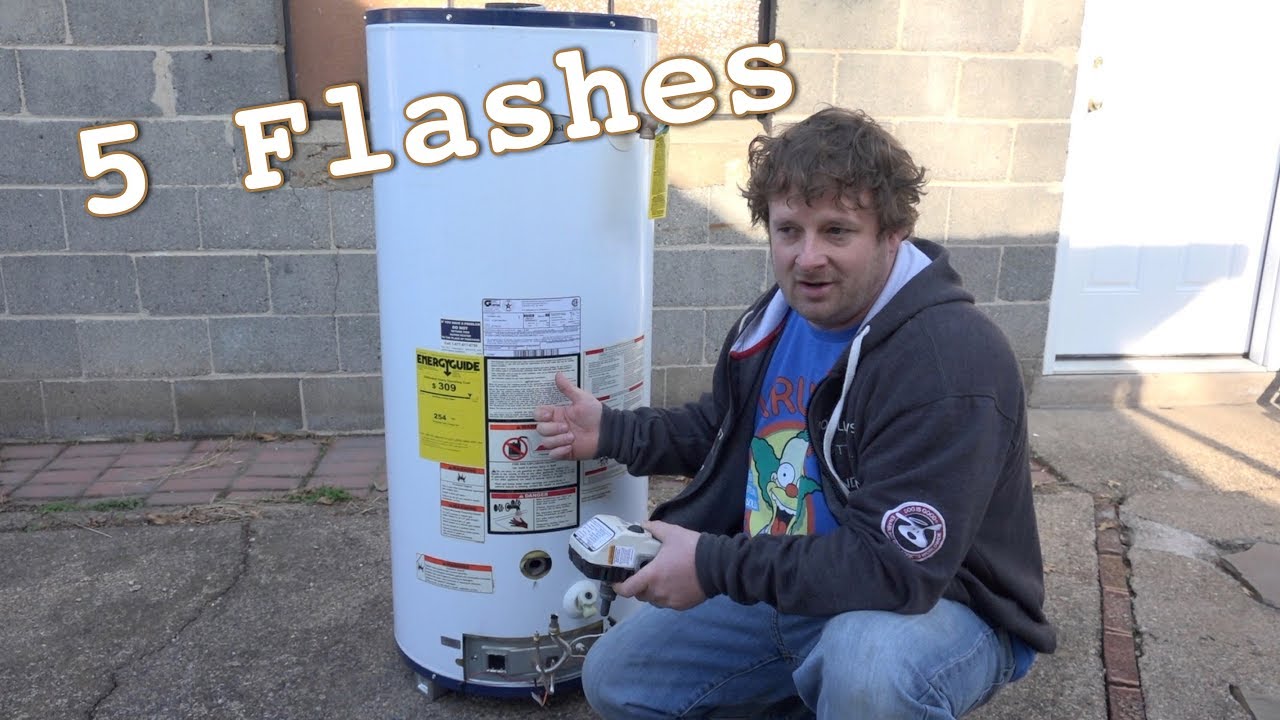
Keep an eye on your water heater’s performance regularly. Notice unusual noises or inconsistent water temperature. Early signs can warn of sensor issues. Catching problems early helps fix sensors before they fail completely.
Credit: www.youtube.com
Frequently Asked Questions
What Causes Honeywell Water Heater Sensor Failure?
Sensors fail due to dirt, corrosion, wiring issues, or age-related wear and tear.
How Do I Know If My Sensor Is Faulty?
Look for error codes, inconsistent water temperature, or no heating at all.
Can I Fix A Honeywell Sensor Myself?
Simple fixes like cleaning or resetting are possible, but complex repairs need a pro.
How Long Do Honeywell Water Heater Sensors Last?
Sensors typically last 5 to 10 years, depending on usage and maintenance.
What Happens If The Sensor Fails Completely?
The heater may stop working or overheat, risking damage or safety issues.
How To Reset A Honeywell Water Heater Sensor?
Turn off power, wait a few minutes, then turn it back on to reset.
Does Sensor Failure Affect Water Temperature Control?
Yes, a faulty sensor can cause water to be too hot or too cold.
Are Replacement Sensors Expensive?
Replacement sensors usually cost between $20 and $70 depending on the model.
Can Poor Water Quality Cause Sensor Failure?
Hard water or sediment buildup can damage sensors and reduce their lifespan.
When Should I Call A Professional For Sensor Issues?
Call a technician if cleaning or resetting doesn’t fix the sensor problem.
Conclusion
Honeywell water heater sensor failure can cause heating problems. Sensors help keep water temperature safe and steady. A broken sensor may lead to no hot water or overheating. Check the sensor regularly to avoid damage or leaks. Replacing a faulty sensor can save energy and money.
Simple care keeps your water heater working well longer. Stay aware of sensor issues for comfort and safety. Fix problems quickly to prevent bigger repairs later. Your water heater depends on a good sensor to work right.