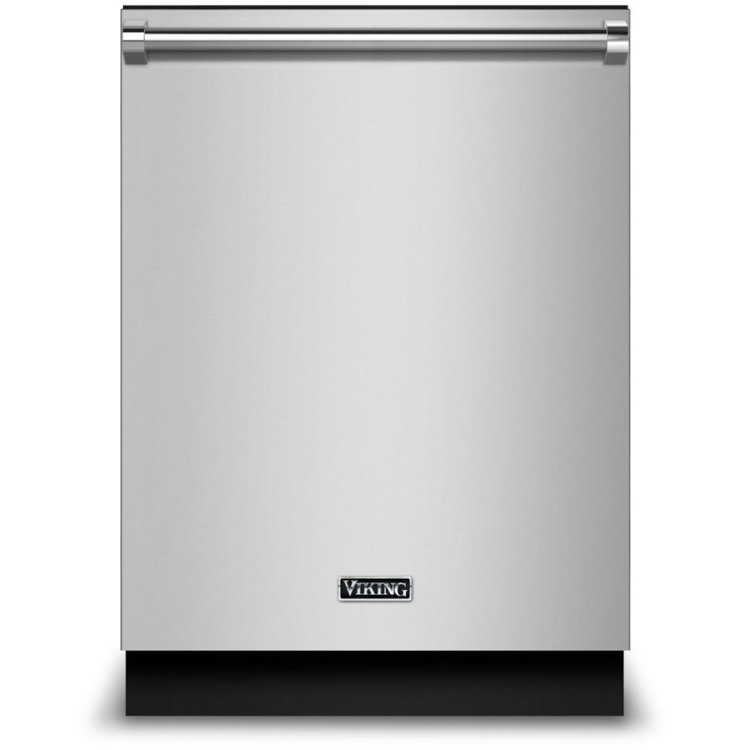
Is your Viking dishwasher not drying your dishes properly? It’s frustrating to unload soggy plates and glasses after a full cycle.
You expect your dishwasher to do the hard work, leaving your dishes spotless and dry. When it doesn’t, it can disrupt your routine and waste your time. But don’t worry—understanding why this happens and how to fix it is easier than you think.
Keep reading, and you’ll discover simple tips to get your Viking dishwasher drying perfectly again.
Credit: www.abt.com
Common Reasons For Poor Drying
Poor drying in a Viking dishwasher can be frustrating. Understanding common reasons helps fix the problem quickly. Several factors can stop your dishwasher from drying dishes properly. Check these areas first to improve drying performance.
Heating Element Issues
The heating element warms the water for drying. If it breaks or malfunctions, dishes stay wet. A faulty heating element means no heat to evaporate water. Testing the element with a multimeter can show if it works. Replace it if it shows no continuity.
Clogged Vent Or Fan
The vent and fan release steam during drying. Dirt or debris can block them. Blocked vents trap moisture inside the dishwasher. Clean the vent area and fan regularly to allow proper airflow. This helps dishes dry faster and better.
Rinse Aid Problems
Rinse aid helps water slide off dishes for better drying. Low or empty rinse aid means water droplets stay on surfaces. Check the rinse aid dispenser and refill it as needed. Using rinse aid improves drying results noticeably.
Improper Loading
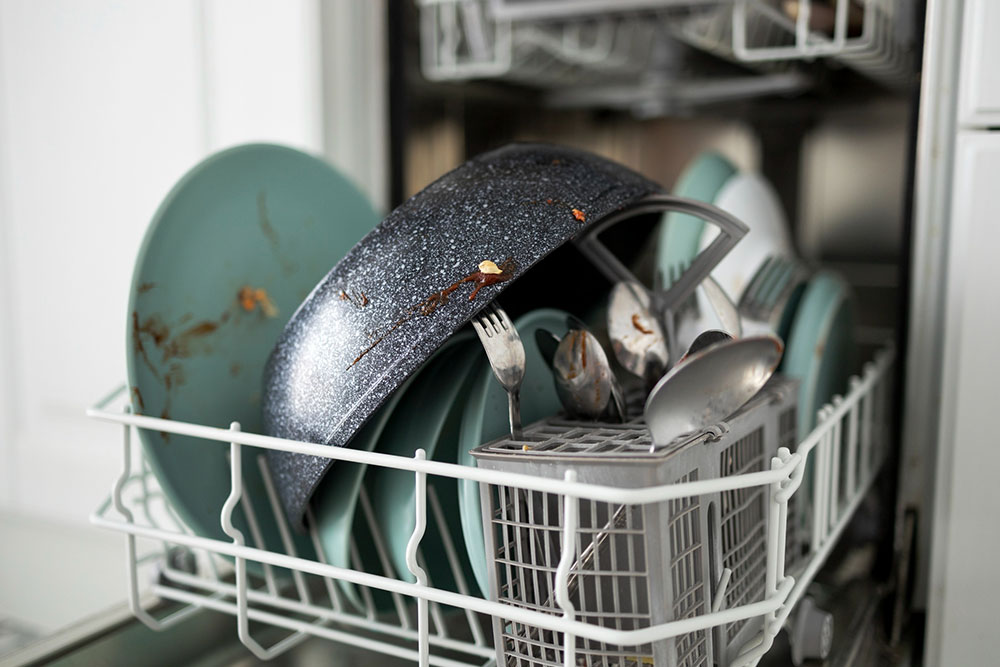
Loading dishes incorrectly blocks airflow and water drainage. Overloading or placing items too close reduces drying efficiency. Separate dishes and avoid covering the detergent dispenser. Proper loading helps hot air reach all items evenly.
Credit: appliancecowboys.com
How To Check The Heating Element
Checking the heating element is key if your Viking dishwasher is not drying properly. The heating element warms the air inside the dishwasher. This heat helps dry your dishes after washing. If the element is broken, the dishwasher cannot dry well.
Testing the heating element is a simple process. You can do it with a few tools at home. This guide explains how to find and test the element. It also shows when to replace it for best results.
Locating The Element
The heating element is usually at the bottom of the dishwasher. Open the door and remove the lower rack. Look for a metal rod or coil that runs across the base. It may be curved or straight.
Check your Viking dishwasher manual for exact location. Some models have the element hidden under a cover. You may need to remove screws to see it clearly.
Testing For Continuity
Use a multimeter to test the heating element. First, unplug the dishwasher to stay safe. Set the multimeter to the lowest ohms setting. Touch the probes to each end of the element.
If the meter shows a low reading, the element works. A high or infinite reading means the element is broken. No continuity means no heat will be produced.
When To Replace
Replace the heating element if it has no continuity. Also change it if you see visible damage or burn marks. A faulty element causes poor drying and longer cycles.
Use a genuine Viking replacement part for best fit. Follow safety steps when installing the new element. Test the dishwasher after replacement to check drying performance.
Cleaning And Maintaining The Vent
Cleaning and maintaining the vent in your Viking dishwasher is important. It helps the dishwasher dry dishes well. A dirty or blocked vent stops hot air from escaping. This makes your dishes stay wet after the wash cycle. Simple care keeps the vent working properly and your dishwasher drying fast.
Identifying Blockages
Look at the vent area closely. Check for dust, food bits, or grease. These can block air from moving out. Use a flashlight to see inside the vent. If you see dirt or buildup, it needs cleaning. A blocked vent often causes poor drying.
Removing Debris
Turn off the dishwasher before cleaning the vent. Use a soft brush or cloth to remove dirt. Avoid sharp tools that can damage the vent. For tough grease, use mild soap and warm water. Wipe gently and dry the area well. Keep the vent clear for good airflow.
Ensuring Proper Airflow
Check that nothing covers the vent outside the dishwasher. Keep the vent free from kitchen clutter. After cleaning, run a short cycle to test drying. Proper airflow lets hot air escape quickly. This helps dishes dry fully and stops moisture buildup.
Optimizing Rinse Aid Usage
Rinse aid plays a key role in helping your Viking dishwasher dry dishes well. It reduces water spots and speeds up drying by allowing water to slide off dishes quickly. Using rinse aid correctly can fix many drying problems.
Optimizing rinse aid use means adjusting settings, choosing the right product, and refilling properly. These steps help your dishwasher perform better and leave dishes dry and clean.
Adjusting Rinse Aid Settings
Most Viking dishwashers have a rinse aid dispenser with adjustable settings. Start by checking the current setting in your user manual. Increase the amount of rinse aid if dishes stay wet or spotty. Lower it if you see too much foam or streaks. Small changes can improve drying results.
Choosing The Right Product
Pick a rinse aid made for automatic dishwashers. Avoid household soaps or other liquids. Look for products that prevent water spots and help dishes dry faster. Some rinse aids have extra features like deodorizing. Choose one that matches your needs and dishwasher model.
Refilling Tips
Refill rinse aid regularly to keep it effective. Check the dispenser once a month or more often if you use the dishwasher daily. Pour rinse aid slowly to avoid spills. Clean the dispenser cap and surrounding area to prevent clogging. Proper refilling keeps your dishwasher working well.
Best Practices For Loading Dishes
Loading your Viking dishwasher correctly helps improve drying results. Proper loading allows air to move freely. This helps dishes dry faster and better. Follow these best practices to get the most from your dishwasher.
Avoiding Overcrowding
Do not pack too many dishes in the dishwasher. Overcrowding blocks air circulation. Water and steam can get trapped between items. This stops dishes from drying fully. Leave space between plates and cups. Give each item room to breathe.
Proper Placement Of Items
Place large items on the sides or back. Position plates and bowls facing the center. Tilt cups and glasses at an angle. This lets water drain off easily. Avoid placing items upside down. Make sure nothing blocks the spray arms.
Keeping Dishes Dry
Remove excess water before loading. Shake off large drops from cups and utensils. Use a dry cloth for very wet items. Choose the right dishwasher cycle for drying. Open the door slightly after the cycle ends. This helps steam escape and dries dishes faster.

Credit: www.reddit.com
Resetting And Running Diagnostic Tests
Resetting your Viking dishwasher and running diagnostic tests can fix many drying problems. Sometimes, the dishwasher’s system just needs a quick reset to clear errors. Diagnostics help find hidden issues that block proper drying. This section explains how to reset the dishwasher, use built-in diagnostics, and decide when to call a technician.
How To Reset Your Dishwasher
Start by turning off the dishwasher. Wait for about five minutes. This pause clears temporary errors in the system. Next, turn the dishwasher back on. Press the reset button or hold the start button for three seconds. The dishwasher will restart its cycle. This simple step often solves drying problems.
Using Built-in Diagnostics
Many Viking dishwashers have a diagnostic mode. It checks different parts of the machine. To enter diagnostics, press a special button sequence. Check your user manual for exact steps. The dishwasher will run tests and show error codes. Write down any codes you see. These codes help identify the drying issue.
When To Call A Technician
Call a technician if resetting and diagnostics don’t fix the problem. Persistent error codes mean a deeper issue. Also, call for strange noises or leaks. A pro can test parts like the heating element or fan. Don’t wait too long to get help. Early service avoids bigger, costly repairs.
Frequently Asked Questions
Why Is My Viking Dishwasher Not Drying Dishes Properly?
A faulty heating element or blocked vent often causes poor drying in Viking dishwashers.
How Can I Fix A Viking Dishwasher That Leaves Dishes Wet?
Clean the vent and check the heating element for damage or dirt buildup.
Does Using Rinse Aid Help Viking Dishwasher Drying Issues?
Yes, rinse aid improves drying by reducing water spots and speeding up drying.
Can A Clogged Dishwasher Filter Affect Drying Performance?
Yes, a clogged filter reduces water flow and drying efficiency in your dishwasher.
When Should I Call A Technician For Viking Dishwasher Drying Problems?
Call a technician if cleaning and basic checks don’t fix the drying issue.
Conclusion
A Viking dishwasher not drying can be frustrating to fix. Check the heating element and vent for blockages. Clean the filters regularly to keep airflow clear. Using the right detergent helps improve drying results. Small fixes often solve the problem quickly.
Proper care extends your dishwasher’s life. Keep these tips in mind for better drying performance. Your dishes will come out dry and ready to use. Simple steps can save time and effort daily. Stay patient and follow these easy guidelines to fix drying issues.