
Is your GE dishwasher door not closing properly or refusing to latch? You’re not alone, and the good news is that this common problem usually has simple fixes.
When the door latch isn’t working right, your dishwasher won’t start, leaving your dishes dirty and your kitchen messy. But don’t worry—understanding how to troubleshoot your GE dishwasher door latch can save you time, frustration, and even money on repairs.
Keep reading to discover easy steps you can take to get your dishwasher back in perfect working order.
Common Door Latch Issues
Door latch problems are common in GE dishwashers. These issues can stop your dishwasher from working well. Knowing the common door latch problems helps you fix them fast. This saves time and avoids costly repairs. Below are some typical door latch issues and how they show up.
Latch Not Closing Properly
The latch may not close all the way. Dirt or debris can block it. Sometimes, the latch spring is weak or broken. A misaligned door can also stop the latch from closing. When the latch stays open, the dishwasher won’t start. Checking the latch for dirt and damage is the first step.
Door Won’t Stay Locked
The door might open during a wash cycle. This happens if the latch cannot hold the door tight. A worn latch or broken catch causes this problem. The door lock switch may also fail. A loose or damaged latch needs replacement. A secure lock keeps water inside and prevents leaks.
Latch Makes Unusual Noises
Grinding or clicking sounds come from the latch. These noises mean the latch parts are worn or stuck. Lack of lubrication or dirt can cause this. Strange sounds can also signal a broken latch mechanism. Listening to your dishwasher helps spot problems early.

Credit: www.youtube.com
Tools Needed For Repairs
Repairing a GE dishwasher door latch requires some basic tools. Having the right tools makes the job easier and safer. You do not need many items, but a few key tools help you fix the latch quickly. Here is a list of tools needed for the repair.
Basic Hand Tools
You will need a screwdriver set. A Phillips and flathead screwdriver cover most screws. A pair of pliers helps to grip and pull small parts. A socket wrench set can remove bolts if needed. A flashlight is handy to see inside dark spaces. Keep a small container to hold screws and parts safe.
Safety Equipment
Safety is important during repairs. Wear safety gloves to protect your hands from sharp edges. Use safety glasses to shield your eyes from dust and debris. Make sure the dishwasher is unplugged before starting. Avoid water contact near electrical parts. Keep your work area clean and dry.
Step-by-step Fixes
Troubleshooting a GE dishwasher door latch can be simple with clear steps. Fixing the latch often restores the dishwasher’s proper function quickly. Follow these easy steps to identify and solve common latch issues. Each step helps you check and fix different parts of the latch system.
Inspecting The Latch Mechanism
Start by opening the dishwasher door fully. Look closely at the latch for any visible damage. Check if the latch moves smoothly when you close the door. Notice any broken or loose parts. Test the latch by pressing it with your finger. If it feels stuck or loose, it needs attention. This inspection helps find if the latch is the cause of the problem.
Cleaning And Lubricating The Latch
Dirt and grime can block the latch from working well. Use a soft cloth and mild cleaner to wipe the latch area. Avoid harsh chemicals that can damage parts. After cleaning, apply a small amount of lubricant to the latch. Use a silicone-based spray, safe for plastic and metal. Move the latch back and forth to spread the lubricant. This step improves latch movement and stops sticking.
Adjusting The Door Alignment
The door must line up with the latch for a proper seal. Check if the door sits evenly when closed. Look for gaps or uneven edges around the door. If the door is out of place, try adjusting the hinges. Loosen the screws slightly and shift the door to align with the latch. Tighten screws after adjustment. Proper door alignment helps the latch catch and hold firmly.
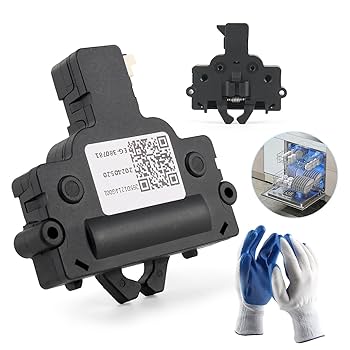
Replacing The Door Latch
Sometimes, the latch is too damaged to fix. Replacing the latch can restore dishwasher function quickly. Unplug the dishwasher before starting the replacement. Remove the screws holding the old latch in place. Disconnect any wires attached to the latch carefully. Install the new latch by connecting wires and screwing it in. Test the door to ensure the new latch works correctly.
Credit: www.amazon.com
When To Call A Professional
Knowing when to call a professional for your GE dishwasher door latch saves time and prevents damage. Some problems seem small but need expert attention. Other issues are too complex for DIY fixes. This guide helps you decide the right moment to get professional help.
Signs Of Electrical Problems
Electrical issues are tricky and dangerous. Sparks, burning smells, or tripped breakers signal a problem. If the dishwasher does not start or stops mid-cycle, it might be electrical. Flickering lights or unusual noises near the door latch also warn of trouble. Avoid trying to fix electrical parts yourself. Call a professional to check the wiring and components safely.
Complex Mechanical Failures
Sometimes the latch mechanism breaks inside the door. Springs, gears, or locks might wear out or snap. If the door won’t close or open smoothly, it could mean mechanical failure. Strange noises during operation can also indicate broken parts. These repairs need special tools and skills. Professionals can replace or fix parts without causing more damage.
Preventive Maintenance Tips
Keeping your GE dishwasher door latch in good shape saves time and money. Regular care stops many common problems before they start. Simple steps can keep the latch working well and extend your dishwasher’s life.
Regular Cleaning Schedule
Clean the door latch area every two weeks. Use a soft cloth with mild soap and water. Remove dirt and food bits that block the latch. Dry the latch completely to prevent rust. A clean latch opens and closes smoothly.
Avoiding Door Damage
Do not slam the dishwasher door. Close it gently to protect the latch. Avoid hanging heavy items on the door. Heavy loads can bend or break the latch parts. Treat the door with care to keep the latch aligned.
Checking For Wear And Tear
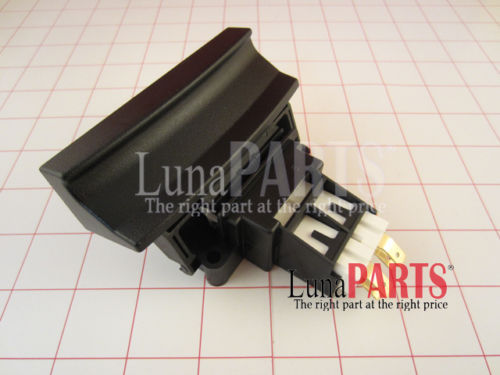
Look at the latch for cracks or broken parts every month. Check if the door closes tightly and locks firmly. Loose or damaged latches need quick fixing. Early repair stops bigger issues and keeps your dishwasher safe.
Credit: www.sb-ko.de
Frequently Asked Questions
How Do I Know If My Ge Dishwasher Door Latch Is Faulty?
A faulty door latch stops the dishwasher from starting or keeps the door open.
What Causes A Ge Dishwasher Door Latch To Stop Working?
Wear, dirt buildup, or broken parts often cause latch problems in GE dishwashers.
Can I Fix A Broken Ge Dishwasher Door Latch Myself?
Yes, simple latch fixes like cleaning or tightening screws can be done at home.
How Do I Replace A Ge Dishwasher Door Latch?
Unplug the dishwasher, remove the old latch, and install a new one carefully.
Why Does My Ge Dishwasher Door Not Stay Closed?
A worn latch or misaligned door usually causes the dishwasher door to stay open.
Conclusion
Fixing a GE dishwasher door latch is simple with these steps. Check the latch for dirt or damage first. Tighten screws or replace broken parts if needed. A working latch keeps your dishwasher safe and efficient. Regular checks can stop problems before they start.
Small fixes save time and money. Keep your dishwasher running smoothly by paying attention to the door latch. Easy to do, worth the effort.