Is your Electrolux dishwasher not drying your dishes properly? It’s frustrating to unload wet plates and glasses after a full cycle.
You expect your dishwasher to do the hard work, but when it leaves everything damp, it feels like you’re back to hand-washing. Don’t worry—this problem is more common than you think, and you can fix it. You’ll discover simple steps to get your Electrolux dishwasher drying perfectly again.
Keep reading to save time, avoid extra chores, and enjoy spotless, dry dishes every time.
Common Causes Of Poor Drying
Poor drying in Electrolux dishwashers happens for several reasons. Knowing these causes helps fix the problem fast. Dry dishes depend on parts working well and correct use. Problems can come from dirty parts or broken components. Proper loading also plays a big role in drying results.
Blocked Or Dirty Filter
A blocked or dirty filter stops water from draining well. Water stays inside and makes dishes wet. Cleaning the filter often keeps water flowing freely. Check the filter for food bits or debris. Clean it regularly to avoid poor drying.
Faulty Heating Element
The heating element heats air to dry dishes. If it breaks, drying stops or slows down. A broken element means dishes come out wet. Test the heating element with a multimeter. Replace it if there is no heat during the cycle.
Malfunctioning Drying Fan
Some Electrolux models use a drying fan to blow hot air. If the fan fails, air won’t move inside the dishwasher. This leaves dishes damp after the cycle ends. Listen for the fan noise during drying. Repair or replace the fan if silent.
Improper Loading Techniques
Loading dishes incorrectly blocks airflow and water spray. Plates and bowls stacked tightly trap moisture. Avoid overloading and space items properly. Place larger items on the sides to allow air circulation. Correct loading improves drying performance greatly.
Simple Troubleshooting Steps
Simple troubleshooting steps can help fix an Electrolux dishwasher not drying. These steps take little time and need no special tools. Follow each one to find and solve common drying problems quickly.
Clean The Filter And Spray Arms
Check the dishwasher filter for food debris and dirt. A clogged filter stops water from draining properly. Remove and rinse it under running water. Clean spray arms by removing them and clearing blocked holes. This improves water flow, helping dishes dry better.
Check The Heating Element
The heating element warms air during the drying cycle. Inspect it for visible damage or burns. Use a multimeter to test for electrical continuity. A broken element means no heat, causing wet dishes. Replace the element if it shows no continuity.
Inspect The Drying Fan
Some Electrolux models use a drying fan to blow hot air inside. Ensure the fan is running during the drying phase. Listen for noise or feel airflow. Clean the fan blades from dust and debris. A faulty fan may need professional repair or replacement.
Adjust Loading For Better Airflow
Poor loading blocks air circulation, leaving dishes wet. Avoid stacking items too close together. Place plates and bowls facing downwards for water to drain. Keep space between items to let air flow freely. Proper loading helps the dishwasher dry dishes evenly.
Using Rinse Aid For Better Results
Using rinse aid in your Electrolux dishwasher helps improve drying results. It reduces water spots and speeds up the drying process. Rinse aid breaks water into smaller droplets, allowing dishes to dry faster and cleaner.
How Rinse Aid Improves Drying
Rinse aid lowers water’s surface tension on dishes. This means water slides off easily instead of forming droplets. Less water stays on dishes, so they dry quicker. It also helps prevent spots and streaks on glass and silverware.
Without rinse aid, water can cling to dishes and leave marks. Using rinse aid creates a smooth finish and better drying performance. It works well with your dishwasher’s heating and drying cycles.
Setting Up Rinse Aid Dispenser
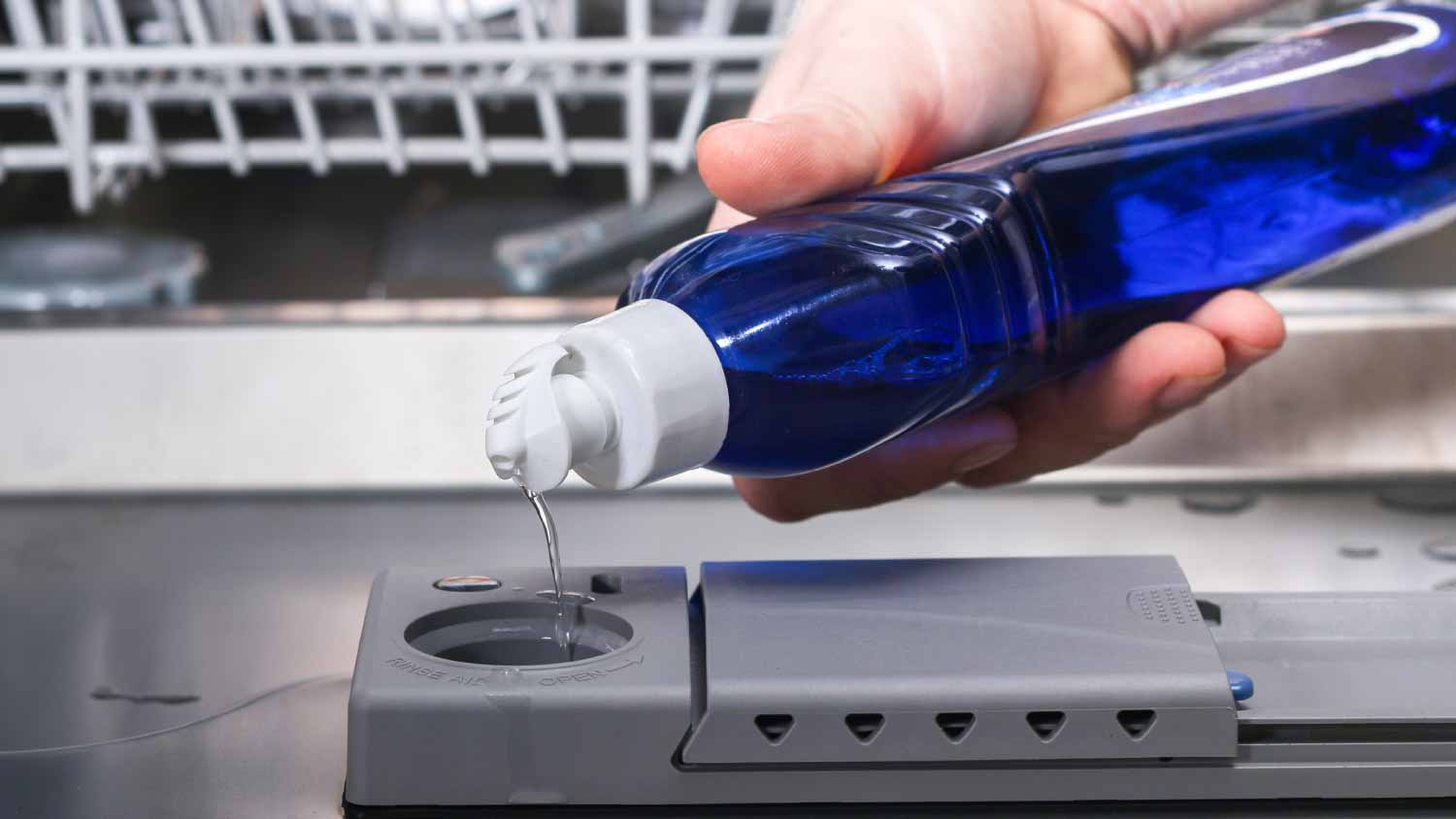
Find the rinse aid dispenser inside the dishwasher door. Open the cap and pour rinse aid until full. Be careful not to overfill to avoid leaking. Close the cap tightly after filling.
Adjust the dispenser setting if needed. Higher settings release more rinse aid for hard water areas. Lower settings work well for soft water. Check your dishwasher manual for exact instructions.
Refill the rinse aid regularly to keep drying results consistent. A full dispenser helps keep your dishes clean and dry every wash.

Credit: www.youtube.com
Resetting The Dishwasher
Resetting your Electrolux dishwasher can often solve drying problems. A reset clears small errors and refreshes the system. This step is easy to do and takes just a few minutes. Trying a reset before calling for repairs can save time and money.
Power Cycle Method
Start by turning off the dishwasher completely. Unplug it from the power source or switch off the circuit breaker. Wait for about five minutes to let the machine reset fully. Plug it back in or turn on the breaker. Turn on the dishwasher and run a short cycle. Check if the drying function works better now.
Control Panel Reset
Press and hold the “Start” or “Cancel” button on the control panel. Hold it for about three to five seconds. The dishwasher will beep or the lights will flash. This signals the reset is complete. Release the button and close the door firmly. Start a new wash cycle and see if drying improves.
When To Call A Professional
Knowing when to call a professional for your Electrolux dishwasher not drying is important. Some problems need expert help to fix safely and correctly. Trying to fix complex issues alone can cause more damage or risk safety. A trained technician has the right tools and knowledge to solve the problem quickly. Below are signs that show it is time to get professional help.
Signs Of Electrical Issues
Dishwasher not drying may signal electrical problems. Flickering lights or no power during cycles are warning signs. Strange smells or burning odors near the appliance also indicate electrical faults. Frequent tripping of circuit breakers during use points to wiring issues. These problems require a professional to inspect and repair safely. Avoid using the dishwasher until an expert checks the electrical system.
Parts Replacement Needs
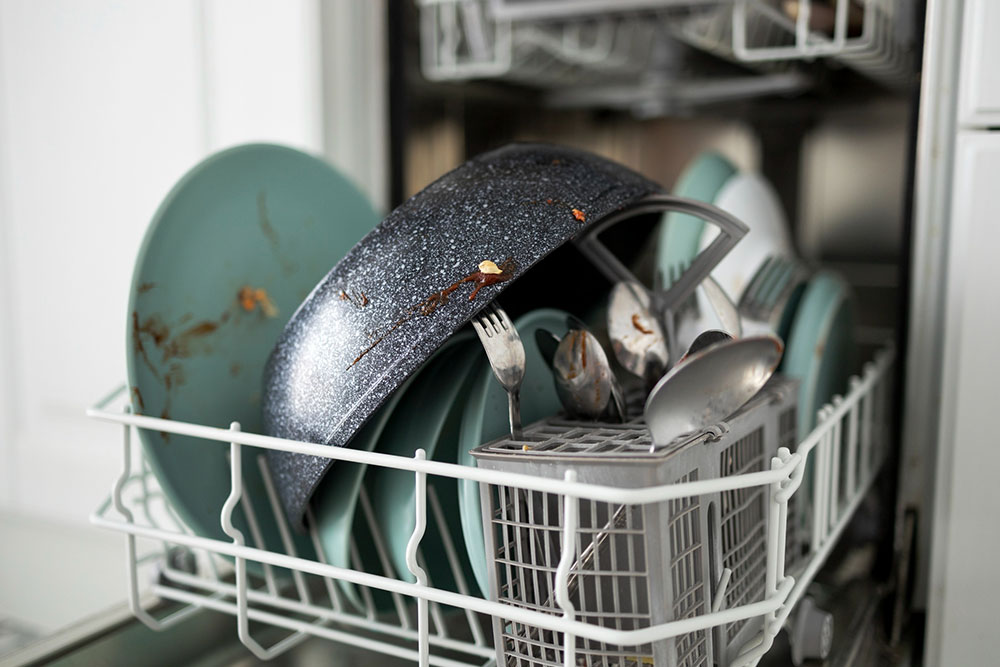
Some parts wear out and need replacement to restore drying function. Common parts include heating elements, thermostats, and sensors. If the dishwasher stops heating or drying, these parts may be faulty. A professional can test and replace parts with correct, original components. DIY replacement risks damage or voiding warranty. Experts ensure parts fit well and work properly for long-term use.
Credit: appliancecowboys.com
Credit: www.angi.com
Frequently Asked Questions
Why Is My Electrolux Dishwasher Not Drying Dishes?
A common cause is a blocked vent or heating element failure. Check these parts first.
How Can I Fix Drying Issues In Electrolux Dishwashers?
Clean filters, check the rinse aid level, and inspect the heating element.
Does Rinse Aid Affect Electrolux Dishwasher Drying Performance?
Yes, rinse aid helps water slide off dishes, improving drying results.
Can A Faulty Thermostat Cause Drying Problems In Electrolux Dishwashers?
Yes, a broken thermostat can stop the heating cycle, preventing proper drying.
Is It Normal For Electrolux Dishwashers To Leave Dishes Wet Sometimes?
Some moisture is normal, but large wet spots indicate a problem with drying components.
Conclusion
A dishwasher not drying can be frustrating and waste time. Check the heating element and vent for blockages. Make sure you use the right detergent and rinse aid. Clean filters regularly for better performance. Small fixes often solve common drying problems.
Keep your Electrolux dishwasher well-maintained to avoid issues. Dry dishes mean less work and more convenience. Simple steps can help your dishwasher work like new. Stay patient and follow these tips to improve drying.