Is your Whirlpool dishwasher not draining properly? That standing water at the bottom can be frustrating and messy.
You rely on your dishwasher to clean your dishes efficiently, but when it won’t drain, it disrupts your whole routine. Don’t worry—this problem is common and often easy to fix. You’ll discover simple steps to get your dishwasher draining again quickly.
Keep reading to save time, avoid costly repairs, and get your kitchen back to normal.
Common Causes Of Drainage Issues
Drainage problems in Whirlpool dishwashers often stem from simple issues. These issues stop water from flowing out correctly. Recognizing the common causes helps to fix the problem quickly. Understanding each cause makes repair easier and faster.
Clogged Filter Or Drain Hose
Food particles and debris can block the filter or drain hose. This stops water from draining properly. Cleaning the filter regularly keeps water flowing well. Removing blockages from the hose improves drainage and dishwasher performance.
Blocked Garbage Disposal
The dishwasher drain connects to the garbage disposal. If the disposal is clogged, water cannot drain. Clearing the disposal allows water to flow freely. This simple fix often resolves drainage issues fast.
Faulty Drain Pump
The drain pump pushes water out of the dishwasher. A broken pump will not move water. Signs of a faulty pump include strange noises or no drainage. Replacing the pump restores proper water flow and functionality.
Kinked Or Damaged Drain Hose
A bent or damaged hose blocks water from draining. Kinks in the hose reduce water flow. Inspecting the hose for damage and straightening it helps. Replacing a damaged hose ensures smooth drainage.
Tools Needed For Troubleshooting
Troubleshooting a Whirlpool dishwasher that is not draining requires the right tools. Having these tools ready makes the process easier and safer. Each tool helps check different parts of the dishwasher. This section lists the essential tools needed for basic troubleshooting.
Basic Hand Tools
Basic hand tools include screwdrivers, pliers, and wrenches. These tools help open panels and remove screws. You can access the drain pump or hoses with them. Having both flathead and Phillips screwdrivers is important. Pliers help grip and pull out small parts safely.
Multimeter For Electrical Testing
A multimeter tests electrical parts like the drain pump and switches. It checks for continuity and voltage. This tool finds if wires or components are broken or faulty. Using a multimeter helps avoid guessing and saves time. It is essential for checking the dishwasher’s electrical health.
Bucket And Towels
A bucket and towels keep your workspace clean and dry. Water may spill when opening the dishwasher or removing hoses. Towels absorb leaks, and the bucket catches water draining out. These simple tools prevent messes and water damage during repairs.
Step-by-step Cleaning The Filter And Drain Hose
Cleaning the filter and drain hose helps fix a Whirlpool dishwasher not draining. Dirt and food bits block water flow. Cleaning these parts improves drainage. Follow these steps for a clear filter and hose.
Locating And Removing The Filter
Open the dishwasher door fully. Look at the bottom inside. Find a round or rectangular filter. Turn the filter counterclockwise to unlock it. Pull the filter up and out carefully. Set it on a clean surface.
Cleaning Debris From The Filter
Check the filter for stuck food or grease. Rinse the filter under warm water. Use a soft brush or cloth to scrub gently. Remove all visible dirt and particles. Dry the filter before putting it back.
Inspecting And Clearing The Drain Hose
Find the drain hose behind the dishwasher. It connects to the sink or garbage disposal. Detach the hose carefully. Look inside for clogs or buildup. Use a long brush or water to clear blockages. Reattach the hose securely to avoid leaks.

Credit: www.reddit.com
Checking And Clearing The Garbage Disposal
Checking and clearing the garbage disposal is a key step when your Whirlpool dishwasher is not draining. The dishwasher often drains through the garbage disposal. If the disposal is clogged, water cannot flow out properly. This leads to standing water inside the dishwasher.
Sometimes, food particles or debris block the disposal. This stops the dishwasher from draining. Clearing the garbage disposal can help fix this issue fast. It also keeps your kitchen sink working well.
Resetting The Disposal
Start by turning off the garbage disposal. Look for a red reset button on the bottom or side. Press this button to reset the disposal motor. This step can fix minor jams and electrical issues.
Wait a few minutes after pressing the reset. Then, turn the disposal on to check if it runs smoothly. A reset often restores normal function and helps the dishwasher drain.
Removing Blockages
Use a flashlight to inspect the disposal opening. Look for stuck food or debris. Never put your hand inside the disposal. Use pliers or tongs to remove visible blockages safely.
If the disposal still does not drain, try using a disposal wrench. Insert it into the bottom hole and turn it back and forth. This action can free jammed blades and clear blockages.
After clearing, run water through the disposal for about 30 seconds. Turn on the dishwasher to see if water drains properly now. Clearing blockages helps the dishwasher empty water fully and quickly.
Testing The Drain Pump
Testing the drain pump is a key step to fix a Whirlpool dishwasher not draining. The drain pump pushes water out during the cycle. If it stops working, water stays inside the dishwasher. Checking the pump helps find the problem fast. This section covers how to access the pump, check its connections, and replace it if needed.
Accessing The Drain Pump
Start by unplugging the dishwasher for safety. Open the dishwasher door fully. Remove the lower rack to clear space. Unscrew the access panel at the bottom front of the dishwasher. The drain pump is usually located near the motor. Look for a small, round part with hoses attached. Keep tools ready for loosening clamps or screws. Handle parts carefully to avoid damage.
Checking Electrical Connections
Inspect the wires connected to the drain pump. Make sure none are loose or broken. Use a multimeter to test for electrical continuity. No reading means a broken wire or bad pump. Clean any corrosion on the connectors. Reconnect wires firmly to ensure a good connection. This step often solves simple electrical faults.
Replacing The Pump If Needed
Buy a replacement pump matching your dishwasher model. Disconnect the pump’s hoses by loosening clamps carefully. Remove screws holding the pump in place. Take out the old pump and compare it with the new one. Install the new pump by reversing the removal steps. Tighten all screws and clamps securely. Plug in the dishwasher and test the drain function.

Credit: www.reddit.com
Preventing Future Drainage Problems
Preventing future drainage problems in your Whirlpool dishwasher helps keep it working well. Simple care steps stop clogs and water from not draining. These tips save time and money on repairs.
Regular Maintenance Tips
Clean the dishwasher filter every few weeks. A dirty filter blocks water flow. Wipe the door seal to remove food debris. Check and clean the drain hose to avoid blockages. Run a dishwasher cleaner monthly to clear grease and buildup. Inspect the drain pump for any small objects or dirt. Regular checks keep water flowing smoothly.
Proper Loading Practices
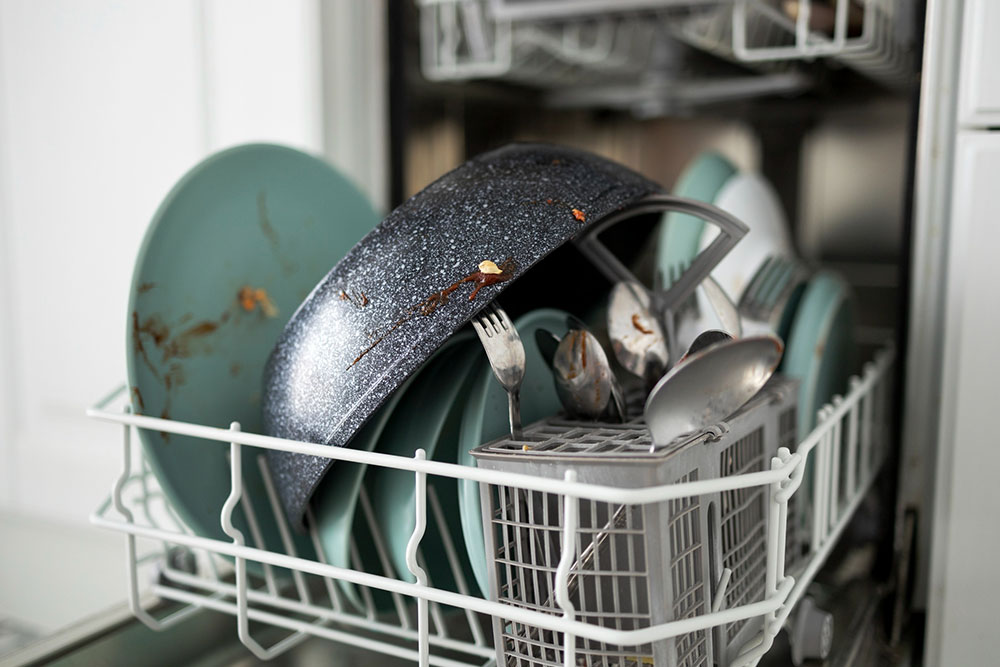
Load dishes so water reaches all surfaces. Avoid blocking the spray arms with large items. Place bowls and cups facing down to let water drain. Do not overload the dishwasher. Overcrowding stops water and soap from cleaning properly. Keep food scraps out of the dishwasher to reduce clogs. Proper loading helps water drain without problems.
Credit: appliancecowboys.com
Frequently Asked Questions
Why Is My Whirlpool Dishwasher Not Draining Water?
A clogged drain hose or filter often blocks water from draining properly.
How Do I Fix A Whirlpool Dishwasher That Won’t Drain?
Clean the drain hose, filter, and check for blockages to restore drainage.
Can A Faulty Drain Pump Cause Drainage Issues?
Yes, a broken drain pump can stop water from leaving the dishwasher.
How To Clean The Drain Hose In A Whirlpool Dishwasher?
Remove the hose, flush it with water, and clear any debris inside.
When Should I Call A Technician For Drainage Problems?
Call a pro if cleaning parts doesn’t fix the dishwasher draining issue.
Conclusion
A Whirlpool dishwasher not draining can cause big problems. Check the filter and drain hose for blockages. Clean these parts regularly to keep water flowing well. Small fixes often solve the issue without needing a repair. If the problem stays, a professional can help.
Taking care of your dishwasher saves time and money. Keep your appliance working smoothly for clean dishes every day. Don’t ignore signs of trouble; act quickly to avoid bigger issues. Simple steps can restore your dishwasher’s proper draining function.