
The Hubble Space Telescope has fascinated us for decades. It captures stunning images of our universe.
But what happens when its camera starts blinking red? The Hubble Camera blinking red is a cause for concern. This issue could signal a problem with the telescope’s systems. Scientists rely on Hubble for crucial data about space. A malfunction can disrupt their work and delay discoveries.
Understanding this issue is important for future missions. In this blog post, we’ll explore what a blinking red camera means. We will also discuss its implications for space research. Dive in to learn why this small light can have big consequences.
Hubble’s Eye On The Universe
The Hubble Space Telescope has fascinated the world since its launch. Its exceptional ability to capture stunning images of the cosmos has revolutionized our understanding of the universe. This blog post delves into Hubble’s history and its technological marvels.
History Of Hubble
The Hubble Space Telescope launched on April 24, 1990. Named after astronomer Edwin Hubble, it orbits the Earth at about 547 kilometers above sea level. Hubble was a joint project between NASA and the European Space Agency (ESA).
Initially, Hubble faced technical issues. Its primary mirror had a flaw, resulting in blurry images. A repair mission in 1993 fixed this problem. Since then, it has provided breathtaking views of space. Hubble has helped scientists make groundbreaking discoveries.
Technological Marvels
Hubble’s technology is impressive. It is equipped with state-of-the-art instruments. These include the Wide Field Camera 3 (WFC3) and the Advanced Camera for Surveys (ACS). These instruments capture detailed images of distant galaxies, nebulae, and star clusters.
Hubble operates using solar power. Its solar panels convert sunlight into electricity. This powers its instruments and systems. Hubble also has gyroscopes. These help it maintain precise orientation in space.
Below is a table highlighting some of Hubble’s key features:
| Feature | Description |
|---|---|
| Primary Mirror | 2.4 meters in diameter |
| Orbit Altitude | 547 kilometers |
| Instruments | WFC3, ACS, and others |
| Power Source | Solar Panels |
Hubble’s data transmission is another marvel. It sends data back to Earth at high speeds. This allows scientists to analyze images and data quickly. The telescope’s ability to observe ultraviolet, visible, and near-infrared light sets it apart.
In summary, the Hubble Space Telescope is a technological wonder. Its history and features make it an invaluable tool for astronomers. It continues to expand our knowledge of the universe.

Credit: cosgrovescosmos.com
The Red Blinking Phenomenon
The Hubble Space Telescope has made many discoveries. One of the most mysterious is the red blinking phenomenon. This strange event has puzzled scientists. They seek to understand its cause and effect.
Initial Observations
The red blinking was first seen in 2022. Astronomers noticed it during routine observations. The camera showed a faint red light. It blinked at regular intervals. Many theories arose about its origin.
Some thought it was a glitch. Others believed it was a natural event. To find the truth, scientists began detailed studies. They needed to know more about this blinking light.
Scientific Investigations
Researchers used different tools to study the red blinking. They analyzed data from Hubble’s sensors. They also compared it with data from other telescopes. This helped them gather more information.
One key finding was the blinking’s pattern. It was not random. The intervals were consistent. This suggested a repeating source. Possible sources included distant stars and cosmic events. Scientists ruled out equipment malfunction.
| Observation | Details |
|---|---|
| First Noted | 2022 |
| Blink Pattern | Consistent Intervals |
| Possible Sources | Distant Stars, Cosmic Events |
By studying the blinking, scientists hope to learn more about space. They continue to monitor the red light. Each new piece of data brings them closer to understanding this phenomenon.
Cosmic Discoveries
The Hubble Camera Blinking Red has opened a new window into the universe. It captures breathtaking images of cosmic events. These images help scientists understand the vastness of space. Let’s dive into some amazing cosmic discoveries.
Galactic Formations
Galaxies are like cities of stars. The Hubble Camera has captured many of these galactic formations. Each galaxy is unique, with its own shape and size. Some galaxies are spirals, while others are elliptical. These formations help scientists study the universe’s history.
The images reveal how galaxies interact with each other. They sometimes collide or merge. These events create new stars and change the galaxy’s structure. The Hubble Camera provides clear images of these processes. This helps scientists learn more about galaxy evolution.
Stellar Lifecycle Insights
Stars have a life cycle, from birth to death. The Hubble Camera captures each stage in great detail. Young stars form in nebulae, which are clouds of gas and dust. The camera shows these nurseries, where stars are born.
As stars age, they go through different phases. Some become red giants, while others turn into supernovae. The Hubble Camera captures these moments vividly. This helps scientists understand stellar evolution better.
When stars die, they leave behind remnants. These can be white dwarfs, neutron stars, or black holes. The Hubble Camera captures these objects too. This provides valuable insights into the end stages of a star’s life.

Credit: www.support.hubbleconnected.com
Impact On Modern Astronomy
The Hubble Camera Blinking Red has had a profound impact on modern astronomy. Its discoveries have expanded our understanding of the universe. This section explores how these advancements have shaped space exploration and education.
Advancements In Space Exploration
The Hubble Camera’s red alerts have provided critical data. This data has led to significant discoveries in space exploration. Scientists have uncovered new galaxies and black holes.
Here are some key advancements:
- Identification of distant galaxies
- Understanding of dark matter
- Insights into black holes
- Detailed images of planets and stars
These discoveries have changed our view of the universe. They have also inspired new missions and technologies.
Educational Contributions
The Hubble Camera has also made significant educational contributions. Schools and universities use its images and data for teaching.
Some educational benefits include:
- Visual aids for astronomy classes
- Research material for students
- Public outreach programs
- Inspiration for young scientists
Many students have pursued careers in astronomy because of the Hubble Camera. Its images make complex concepts easier to understand.
These contributions help bridge the gap between science and the public. They make astronomy accessible and engaging for everyone.
| Advancements | Educational Contributions |
|---|---|
| New galaxies discovered | Visual aids for classes |
| Understanding dark matter | Research material |
| Insights into black holes | Public outreach programs |
| Images of planets and stars | Inspiration for young scientists |
The Hubble Camera Blinking Red continues to impact astronomy. Its contributions to space exploration and education are invaluable.
Future Of Space Observation
The Hubble Space Telescope has given us amazing views of the universe. The blinking red light on the Hubble camera signals a new era. The future of space observation looks bright. With new missions and technologies, we will see even more.
Upcoming Missions
Several new missions are planned. NASA and other space agencies are ready to launch them. These missions aim to push the boundaries of space exploration.
- James Webb Space Telescope (JWST): Set to replace Hubble. It will observe in the infrared spectrum.
- Euclid Mission: A European Space Agency project. It will study dark matter and dark energy.
- Nancy Grace Roman Space Telescope: Will look for exoplanets and dark energy.
Innovative Technologies
New technologies will change how we observe space. These innovations will provide clearer and more detailed images.
- Adaptive Optics: Reduces the effect of Earth’s atmosphere. Provides sharper images of distant objects.
- Interferometry: Combines light from multiple telescopes. Increases resolution and image quality.
- Artificial Intelligence: Helps in analyzing vast amounts of data. Identifies patterns and objects in space.
These technologies will make space observation more efficient. The future of space exploration looks promising. With these advancements, we will learn even more about the universe.
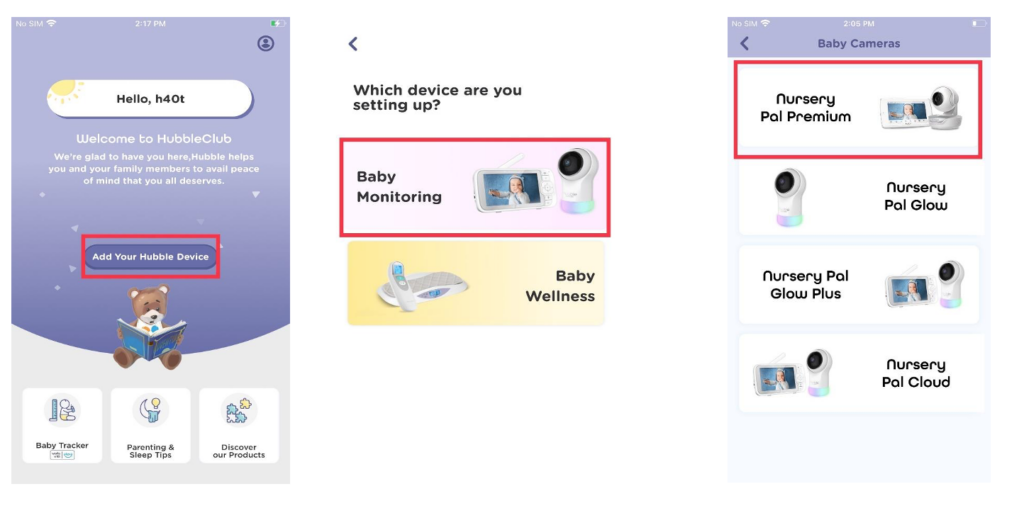
Credit: www.support.hubbleconnected.com
Frequently Asked Questions
Why Is The Hubble Camera Blinking Red?
The blinking red light indicates an issue with the Hubble camera system. It usually signals a technical malfunction or software glitch. Immediate investigation by NASA engineers is required to diagnose and resolve the problem.
What Causes Hubble Camera Malfunctions?
Hubble camera malfunctions can be caused by hardware failures, software glitches, or external factors like cosmic radiation. Regular maintenance and software updates help mitigate these issues, ensuring the camera’s optimal performance.
How Does Nasa Fix Hubble Camera Issues?
NASA fixes Hubble camera issues through remote diagnostics and software updates. If necessary, they may schedule a space mission for hardware repairs. Engineers work diligently to ensure the Hubble camera operates smoothly.
Can The Hubble Camera Be Repaired?
Yes, the Hubble camera can be repaired. NASA engineers perform remote troubleshooting and, if needed, send astronauts for on-site repairs. Regular maintenance ensures the camera’s longevity and functionality.
Conclusion
The Hubble Camera blinking red raises important questions. It signals potential issues. Quick attention is crucial. Regular maintenance helps avoid costly repairs. Space exploration depends on reliable equipment. Scientists must address this promptly. Future missions rely on Hubble’s performance. Understanding these signals ensures smoother operations.
Stay informed about Hubble’s updates. This way, we support ongoing discoveries. Keep an eye on NASA’s reports. The universe holds many secrets. Hubble plays a key role. Let’s ensure it continues to function well. Our curiosity about space drives these efforts.
Every detail counts in this vast exploration.